True to Its Name, ‘The Devil All the Time’ Landed at the Worst Possible Time
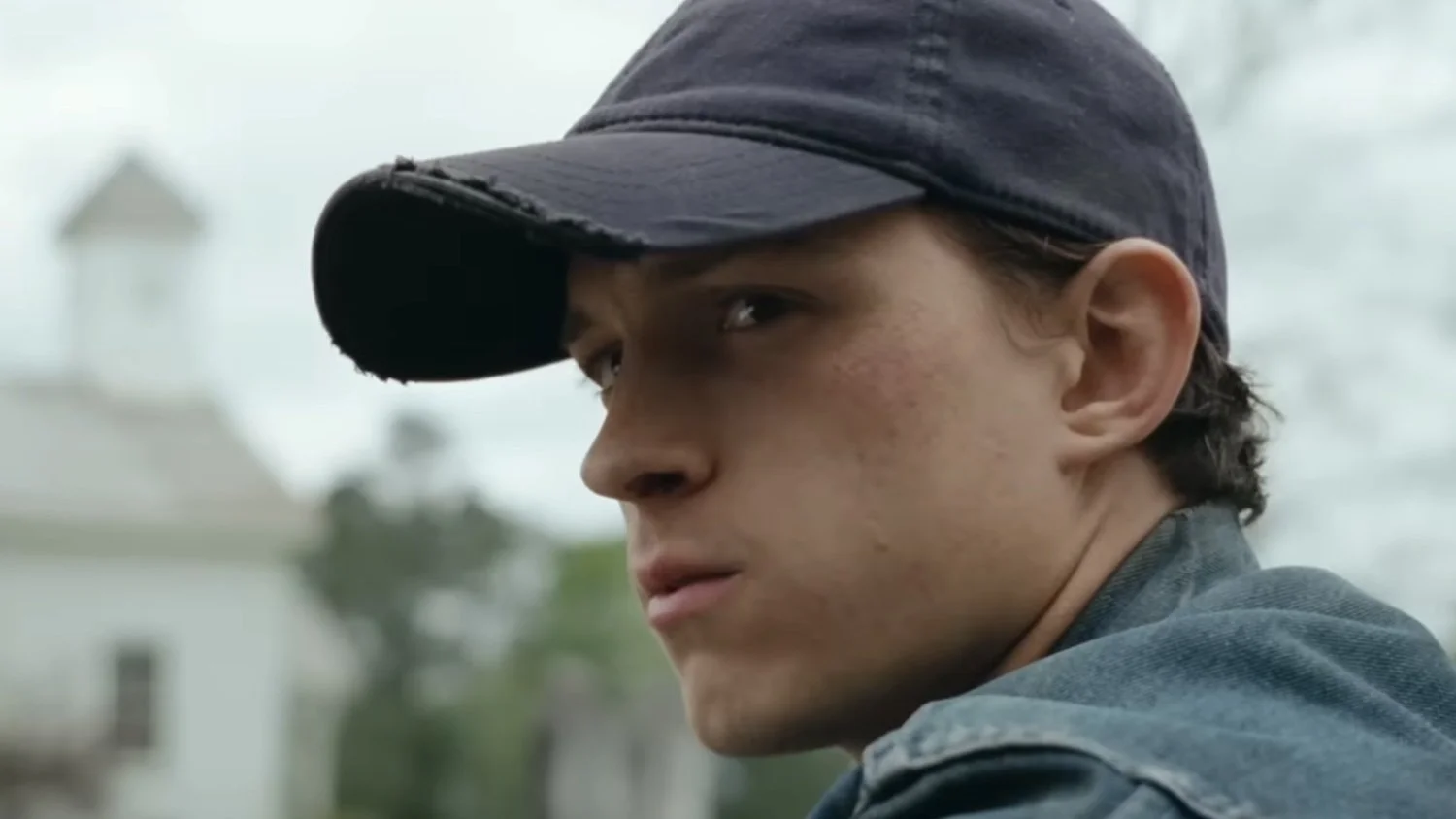
The Pitch: Lives and deaths intersect with a religious fervor in this Southern Gothic thriller, set in ‘50s and ‘60s Knockemstiff (surprisingly, not a fake place name).
Five years ago, no one was in the mood for Netflix’s The Devil All the Time. Released at the height of the pandemic—on the anniversary of 9/11, no less—this star-studded adaptation of a Donald Ray Pollock novel may have gotten lost in the streaming shuffle. Given the oppressive news climate in 2020 (or any year, really), it’s understandable that some reviewers and viewers may have been too weary to enjoy a movie that’s relentless, perhaps gratuitous, in its depiction of the world’s evils.
The Devil All the Time is the kind of film where you’ll hear a serial killer who preys on hitchhikers sing along with gospel music on the car stereo, summing up the general mood with the lyrics: “When trouble surrounds us / When evils come / The body grows weak / The spirit grows numb.” That goes along with the movie’s title, which comes from a line in the narration about Bill Skarsgård’s tragic war veteran “fighting the devil all the time.” Pollock himself handles the narration, and his voiceovers could have been used more sparingly. At best, they’re superfluous. At worst, they’re intrusive.
Despite all that, the ensemble cast, led by Tom Holland (who will reunite with co-star Robert Pattinson next year in Christopher Nolan’s The Odyssey) is firing on all cylinders. If nothing else, the period setting and original music score by Saunder Jurriaans are evocative enough to position the film as underrated. In The Devil All the Time, one bad thing after another happens, but even when the parade of perversity and death (cancer, suicide, murder) tips too far into misery porn (with a literal kicking of the bucket), the human spirit manages to be resilient.
Does the dog die? Yes, by crucifixion. After all, dog is God spelled backwards.